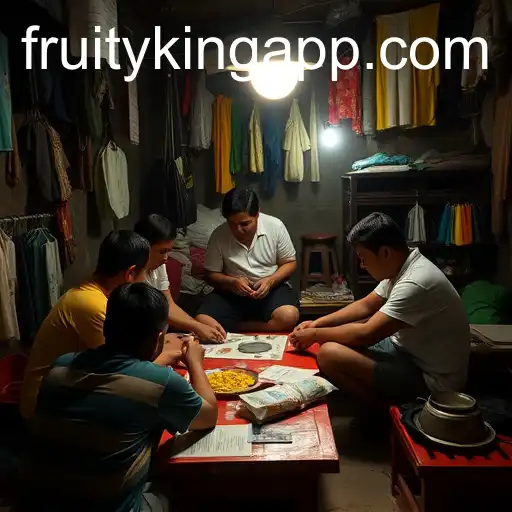
Understanding the Jueteng Phenomenon
Jueteng, a popular numbers game in the Philippines, is deeply rooted in the country's cultural and socioeconomic fabric. Often practiced illegally, this numbers game resembles lottery systems seen worldwide but carries its unique cultural significance and complexities. While many people might associate such games with quick money schemes, Jueteng has a deeper story intertwined with the lives of locals, political actions, and even some internationally recognized brands like "Fruity King."
The Historical Context of Jueteng
The game of Jueteng traces its origins back to the early Spanish colonization of the Philippines, a time when various cultural exchanges heavily influenced local traditions. Initially, it functioned as a communal activity bringing together communities, but as time progressed, it slowly embedded into the socioeconomic dynamics of Filipino society. Through various colonial, military, and political regimes, Jueteng adapted and evolved, much like other forms of local entertainment. Its legality has often been debated, with laws against gambling looming; yet it survives through its deep cultural roots and inherent flexibility.
Jueteng at Its Core
At its essence, Jueteng is a simple guessing game where players select a combination of numbers, often out of 37 or 38, hoping their selection aligns with a random draw. Operated by a patron or capitalist, this game distributes earnings through a network of cabos and cobradores, individuals tasked with collecting bets and distributing winnings.
While it employs an air of mystery, Jueteng's operation runs methodically, ensuring its endurance despite legal challenges. It is a testament to the organized nature of informal systems that bypass regulations yet serve many in the community.
Socioeconomic Impact of Jueteng
Jueteng flourishes in parts of the Philippines where poverty rates are high, and economic opportunities remain limited. For many, it represents a ray of hope, an opportunity to change their fortunes. The allure of instant wealth captures an audience disillusioned by systemic inequality and hardship.
The economic implications of Jueteng are not trivial, providing a financial backbone for some sectors. Money from Jueteng supports various community needs, visible and invisible, from sponsoring local events to informal funding structures replacing formal banking systems. However, it remains controversial due to its unregulated nature and connections to political corruption.
Political Ties and Jueteng
Jueteng has consistently surfaced in political discourses, often linked to corruption scandals and power plays. Politicians, directly or indirectly, have been accused of financial dealings connected to Jueteng. The game has served as both an operational tool and a political amusement, with allegations of proceeds fueling campaigns and buying influence.
Conversely, it’s not uncommon for political aspirants to promise the eradication of Jueteng as a keystone policy, despite the underlying complexities in executing such actions. This dichotomy surfaces within nearly every election cycle, illustrating Jueteng's entrenchment within the political consciousness.
Jueteng and the "Fruity King" Connection
"Fruity King," associated with vibrant marketing and a global presence, might seem worlds apart from Jueteng's informal roots. However, in the ever-globalizing world, these seemingly disparate entities are connected through shared themes of chance, strategic betting, and sociocultural impact.
Where Jueteng represents a grassroots, familiar system, "Fruity King" expands this notion globally, with similar underlying principles driving player engagement. The brand symbolizes vast promises of prosperity through strategic gambling; it’s akin to Jueteng's promise but delivered within an international framework with legitimacy and governance.
The Future of Jueteng
Solutions to the Jueteng conundrum remain complicated. As policies and law enforcement grapple with it, the game exifies challenges faced by many governments worldwide when confronting informal economies rooted deeply in cultural identity.
The conversation must blend cultural sensitivity with economic pragmatism, understanding Jueteng's place within Filipino society. Be it through regulation or alternative economic empowerment, addressing Jueteng's cause demands nuanced strategies recognizing the aspirations and needs of those it serves.
Efforts are being made to legitimate such activities, channel their energies towards community-building, and shift perspectives towards education and income opportunities. Yet, any change must respect cultural norms and the realities of those involved.
Conclusion
In exploring Jueteng, we understand the multifaceted nature of traditional games, born from culture but matured into societal puzzles that reflect broader tensions between legality and livelihood. As Jueteng continues to be part of daily life for many, it is integral to acknowledge its complexities and work towards sustainable solutions balancing tradition with progress. The juxtaposition to "Fruity King" further provides a context of how local practices mesh with global trends, shaping and reshaping the landscape of chance and gaming in society.